How to Reduce Stress: Practical Ways That Work
Stress is part of life. Deadlines, money worries, family demands, illness and the constant hum of notifications can leave anyone feeling stretched thin. A little stress can even be useful — it sharpens focus before a big moment. But when stress becomes constant, it wears down your sleep, your mood, your immune system and your heart. The good news is that there are practical, proven ways to reduce stress, and most of them are free, simple and quick to learn. This guide explains what stress does to your body and gives you a toolkit of techniques that genuinely help.
Contents
- Quick Answer
- What Is Stress and Why Does It Happen?
- Signs You May Be Stressed
- Breathing Techniques That Calm You Down
- Exercise: The Most Reliable Stress Reliever
- Sleep and Stress: Breaking the Cycle
- Time, Priorities and Saying No
- Food, Drink and Stress
- People, Talking and Support
- When to Get Professional Help
- Frequently Asked Questions
⚡ Quick Answer: How to Reduce Stress
To reduce stress, start with slow breathing (breathe in for five counts and out for five, for at least five minutes), move your body every day, protect your sleep with a regular routine, and break big problems into small, doable steps. The NHS advises against relying on alcohol, smoking or extra caffeine to cope, because they only give temporary relief. Talk to people you trust, make time to relax, and if stress is not improving or is affecting your daily life, speak to your GP — there is effective help available.
What Is Stress and Why Does It Happen?
Stress is the body’s response to pressure. When your brain perceives a threat — a deadline, an argument, a bill you cannot pay — it triggers the “fight or flight” response: adrenaline and cortisol flood your system, your heart beats faster, your muscles tense and your attention narrows. That response evolved to help you escape danger, and it works well in short bursts. The problem is modern life, where the triggers rarely switch off. When stress hormones stay high for weeks or months, they can disturb sleep, raise blood pressure, weaken immunity, cause headaches and stomach problems, and worsen anxiety and low mood.
Everyone experiences stress differently. The same workload that energises one person can exhaust another, and stress often builds quietly until a small thing tips you over. There is no single cause and no single fix — which is why this guide covers several approaches. What matters is finding the combination that works for you and using it regularly, not just in a crisis. For a fuller explanation of how stress works, see the article on psychological stress on Wikipedia.
Signs You May Be Stressed
Stress shows up in the body, the mind and behaviour. Common physical signs include headaches, muscle tension (especially in the neck and shoulders), an upset stomach, tiredness, and trouble sleeping. Emotional signs include feeling overwhelmed, irritable, anxious or tearful, and losing interest in things you usually enjoy. Behavioural signs include eating more or less than usual, drinking or smoking more, snapping at people, procrastinating, and withdrawing from friends and family. The US National Institute of Mental Health lists headaches or body pain, high blood pressure and loss of sleep among the symptoms of stress.
Noticing these signs early is a skill worth building. A simple daily check-in — “How tense is my jaw right now? How well did I sleep? Am I short with people I care about?” — can catch stress before it builds. Keep a short stress diary for a week if you can: note the time, what happened, and how you felt. Patterns usually emerge quickly, and once you can see your triggers, you can do something about them.
Breathing Techniques That Calm You Down
The fastest way to reduce stress in the moment is to slow your breathing. When you are stressed, your breathing tends to become shallow and rapid, which keeps the alarm system switched on. Slow, deep breathing does the opposite: it activates the calming branch of your nervous system and can lower your heart rate within minutes.
The NHS recommends a simple belly breathing exercise: sit or lie down comfortably, breathe in gently through your nose for a count of five, then breathe out slowly for a count of five, and repeat for at least five minutes. The NHS describes this as a calming technique for stress, anxiety and panic, and says you get the most benefit if you practise it regularly as part of your daily routine. Another well-known method is the 4-7-8 technique: breathe in through your nose for four seconds, hold for seven seconds, breathe out through your mouth for eight seconds, and repeat four times. If you have a heart or lung condition, check with a doctor before practising breathing exercises that involve holding your breath.
For a quick two-minute reset, try this: breathe in through your nose for four counts, then breathe out through your mouth for six counts, five times in a row. It works standing, sitting or lying down, and nobody around you will notice. Breathing exercises can take the edge off a stressful moment, but they do not treat an anxiety disorder — if anxiety is frequent or strong, talk to a doctor. Read more about technique options on the stress management page on Wikipedia.
Exercise: The Most Reliable Stress Reliever
Exercise is one of the most reliable ways to reduce stress, and the NHS puts it plainly: exercise will not make your stress disappear, but it can reduce some of the emotional intensity you are feeling. Movement releases endorphins, lowers cortisol, improves sleep and gives your mind a break from the problem. It does not need to be intense — a brisk 20-minute walk, a bike ride, a swim or a few minutes of dancing in your kitchen all help.
The key is regularity: a short walk every day beats an exhausting workout once a week. Try building movement into your routine — walk while you take phone calls, take the stairs, or go for a walk with a friend instead of meeting for coffee. Gentle practices such as yoga and tai chi combine movement with slow breathing and are particularly good for stress. You will find more wellbeing guides in our Health category.
Sleep and Stress: Breaking the Cycle
Stress and poor sleep feed each other: stress makes it harder to fall asleep, and poor sleep makes the next day feel more stressful. Breaking the cycle starts with a regular routine. Go to bed and get up at roughly the same time every day, even at weekends. Keep your bedroom dark, cool and quiet. Avoid screens for the hour before bed, and avoid tea, coffee and other caffeine-containing drinks in the late afternoon and evening. The NHS recommends relaxing activities before sleep such as reading, meditation, breathing exercises or calming music, and writing down worries and a list of next-day tasks when concerns keep you awake — getting them out of your head and onto paper helps you let them go.
Most adults need 7 to 9 hours of sleep a night. If you wake in the night with worrying thoughts, do not lie there wrestling with them for hours: get up, do something quiet and boring in dim light, and return to bed when you feel sleepy. If sleep problems last more than a few weeks, speak to your GP: long-term insomnia has effective treatments, including cognitive behavioural therapy for insomnia, which is usually the first treatment option recommended for persistent sleep problems.
Time, Priorities and Saying No
Much of our stress comes not from the amount we have to do, but from feeling out of control. A few organisational habits can restore a sense of control. Write down everything that is weighing on you, then sort it into three groups: things you can do now, things you can plan for later, and things you cannot control at all. Focus on the first group, one small step at a time. It sounds simple, but breaking a big problem into small tasks is one of the most effective stress reducers there is.
Learn to say no, kindly and firmly, to commitments that would overload you. Protect time for rest the same way you protect time for work — it is not a luxury, it is maintenance. Build in small pockets of time for yourself each day, even ten minutes with a book, a walk or a cup of tea. That time is not wasted: it is what keeps you able to cope. Remember famous high performers who plan rest and recovery deliberately — for example, elite athletes manage intense schedules by protecting downtime, as our story on Kathy Warden and Simone Biles shows.
Food, Drink and Stress
What you eat and drink affects how you handle stress. A balanced diet — plenty of vegetables and fruit, whole grains, and protein — supports steady energy and mood. Skipping meals or surviving on sugary snacks creates an energy rollercoaster that makes stress feel worse. Keep water nearby and drink regularly; dehydration can worsen tiredness and headaches.
Alcohol is a common but unhelpful coping tool: it may feel relaxing for an hour, but it disturbs sleep, worsens anxiety the next day, and can become a habit that is hard to break. The NHS advises against relying on alcohol, smoking or caffeine to cope with stress, because they only give temporary relief. If you smoke, you may find it helps to cut down or quit — the calming effect of a cigarette is mostly relief from nicotine withdrawal, and in the long run smoking increases anxiety. If you find yourself drinking more when stressed, be honest with yourself about it, and ask your GP for support: there is no shame in it, and help works.
People, Talking and Support
The NHS notes that a good support network of colleagues, friends and family can ease troubles and help you see things in a different way. Talking about what is bothering you is not a sign of weakness — it is one of the most effective ways to reduce stress. A friend may offer a different perspective, practical help, or simply the relief of being heard. If you find it hard to open up, start small: say to someone you trust, “I’ve been feeling stressed lately.”
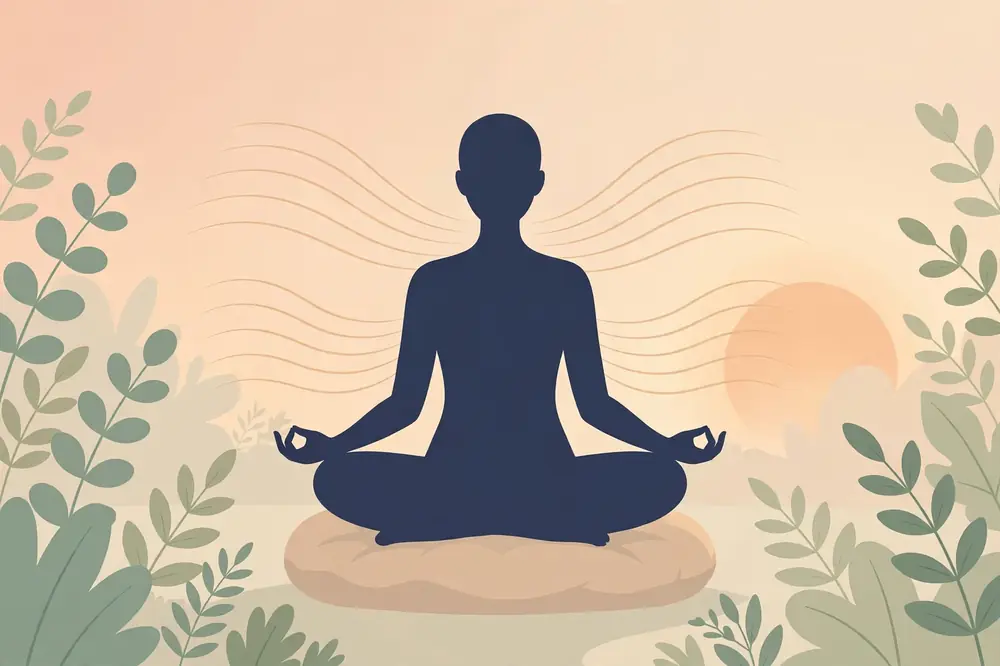
Make time for the people who lift you up, and spend less time on activities that drain you, including doom-scrolling through bad news. Helping others can also reduce stress — volunteering, a favour for a neighbour, or a kind word can shift attention away from your own worries. Mindfulness and meditation help too: they train you to notice thoughts without being carried away by them, and even ten minutes a day can help. Online tools, apps and NHS self-help resources can guide you through the basics for free.
When to Get Professional Help
Self-help works for many people, but not for everyone, and that is okay. The NHS suggests seeing a GP if you are struggling to cope with stress, if the things you are trying yourself are not helping, or if you would prefer a referral. Get help sooner if stress is affecting your work, your relationships or your sleep for more than a few weeks, or if you feel persistently anxious, low or unable to enjoy things you used to like.
Your GP can talk through options including talking therapies, such as cognitive behavioural therapy, support groups, and, where appropriate, medication. In the UK, you can also refer yourself directly to NHS talking therapies. If you ever feel you might act on thoughts of harming yourself, seek help immediately — contact your GP, a crisis line in your country, or emergency services. You deserve support, and asking for it is the strongest step you can take.
Stress is not a personal failure, and it is not something you just have to endure. With slow breathing, regular movement, good sleep, a lighter load and people to talk to, most people can bring stress down to a level they can live with — and keep it there. Pick one technique from this guide, try it today, and add another next week. Small steps, repeated daily, are how lasting calm is built.
Frequently Asked Questions
What is the quickest way to reduce stress in the moment?
Slow breathing is the fastest tool: breathe in for five counts and out for five counts, for five minutes. A short walk outside also helps. Both work within minutes and need no equipment.
Does exercise really help with stress?
Yes. Exercise lowers the stress hormone cortisol, releases mood-lifting chemicals and improves sleep. It does not remove the cause of stress, but it reduces its emotional intensity. Even a 20-minute walk helps.
Can stress cause physical symptoms?
Yes. Stress commonly causes headaches, muscle tension, stomach upsets, tiredness and poor sleep, and over time it can raise blood pressure and affect immunity. Persistent physical symptoms should always be checked by a doctor.
Should I use alcohol to relax?
No. Alcohol disturbs sleep and worsens anxiety the next day. The NHS advises against relying on alcohol, smoking or extra caffeine to cope, because the relief is only temporary.
When should I see a doctor about stress?
See your GP if you are struggling to cope, if self-help is not working, if stress affects your work, relationships or sleep for more than a few weeks, or if you feel persistently anxious or low. Effective help is available.
Note: This article is general health information, not personal medical advice. If stress is affecting your daily life or you are worried about your mental health, consult a healthcare professional.